 (Image via
We spend years making our homes comfortable, but as we age, familiar spaces can become tricky obstacle courses. That beloved sunken living room might now be a tripping hazard, and the deep tub, more of a slippery risk than a spa treat. Aging in place is about working smarter, not harder, adapting your home early so you can stay safe, independent, and at ease in the place you love.
Aging in place isn't about medical equipment taking over your home. It's about making smart changes early so you can stay independent, comfortable, and safe where you are happiest. By planning ahead, you give yourself the freedom to enjoy each room with peace of mind, without sacrificing the character of your home.
Here are five smart home modifications you can make today to age in place safely and comfortably. These practical upgrades are about customizing your space to fit your needs, whether you’re planning ahead for yourself or supporting a loved one. They make daily life smoother, safer, and more enjoyable, so you can keep loving your home, no matter what.
Smart Lighting Automation and Motion Sensors
Fumbling for a light switch in the dark is never fun, especially as our eyes need more light with age. Smart lighting, like motion-sensor lights in halls, bathrooms, and stairways, can make moving around safer and far more convenient. Just enter a room, and the lights turn on automatically, no more stubbing toes. This upgrade not only helps at night, but also improves day-to-day comfort. With smart bulbs and switches, you can control lighting by voice or set up automatic routines, making your home both safer and more welcoming.
Smart bulbs and switches now let you program lights to brighten gradually in the morning or turn on automatically at sunset, no more stumbling around in the dark. You can even use voice commands to control lighting, adding convenience and safety.
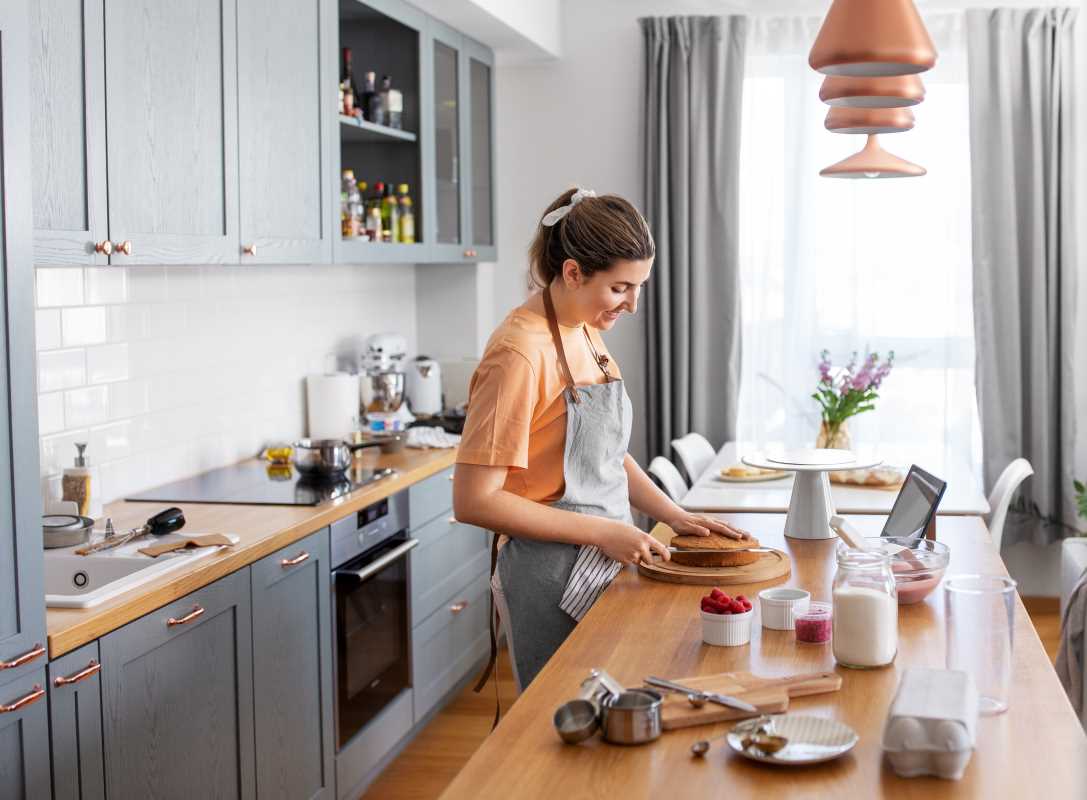
Under-cabinet lighting in the kitchen is a simple, affordable upgrade that puts light exactly where you need it, right on your workspace. This makes meal prep safer by helping you see clearly, reducing accidents or spills. LED strips are easy to install and look great, giving your kitchen a modern boost while making it more functional.
The bathroom is another spot where lighting upgrades make a big difference. Motion-activated night lights or toe-kick lighting under the vanity gently illuminate your path during late-night trips, so you don’t have to risk falls or shock your eyes with harsh overhead light. This simple addition keeps you safe and lets everyone move around at night with less disruption.
Technology now lets you customize your home for safety and ease. You can set up voice commands or routines that dim lights, lock doors, and leave on night lights all at once, so you’re not walking around to turn off switches. These simple upgrades boost both convenience and independence, making daily life easier without extra effort.
Curbless Showers and Bathroom Safety
The bathroom is one of the riskiest rooms at home because of slippery surfaces and hard edges. Replacing a traditional tub with a curbless shower removes the trip hazard and makes your bathroom easier to use now and, in the future, especially if a wheelchair or walker is needed. The open design also adds space and style, not a clinical look. Combining safety with looks is easy with modern grab bars that double as towel racks or shelves, and comfort-height toilets make standing up less of a challenge. Move shower controls to an easy-to-reach spot and use a handheld showerhead for added flexibility, these small tweaks dramatically boost safety and comfort.
A curbless shower is a smart safety upgrade that also looks great. Removing the step makes it easier for anyone, now or in the future, to get in and out, especially for those using walkers or wheelchairs. Even if you’re active, not having to step over a tub is convenient. Add a linear drain and large tiles, and your bathroom transforms into a stylish, user-friendly space.
Grab bars don’t have to look institutional anymore. Modern designs now double as towel racks or shelves and come in appealing finishes like matte black or brushed gold. These stylish options provide much-needed stability for getting in and out of the shower, blending seamlessly into your bathroom while enhancing safety.
Comfort-height toilets make life easier since standard toilets are quite low and tough on the knees. The higher seat requires less effort to sit and stand, so daily routines are simpler and more comfortable. This small upgrade pays off in long-term comfort.
Consider moving the shower controls to an easy-to-reach spot so you can start the water and let it warm up without stepping under a cold spray. Add a handheld showerhead on a sliding bar for flexible, comfortable use, great for seated showers or rinsing hard-to-reach places.
Lever Style Door Handles and Faucets
Round doorknobs are often awkward, especially if you have arthritis or slippery hands. Lever handles are much easier to use, you can open them with your elbow, forearm, or even a hip if your hands are full. This simple swap makes every doorway more accessible and can be done throughout the house in a weekend, giving an instant upgrade in both appearance and ease of use.
Switching to lever handles is a quick upgrade that makes every room easier to access, especially if you have arthritis or full hands. Levers look modern and can be installed throughout your home in a weekend, offering comfort and convenience every day. You'll appreciate this change the next time you try to open a door with soapy hands or a loaded tray, just push down and you’re in.
Faucets are another spot for an easy upgrade. Those old faucet knobs are tough on stiff joints and hard to use with messy hands. Single-handle levers work much better, letting you adjust water with a gentle push or even your forearm. Touchless faucets are even more convenient, no twisting or gripping, just wave and go, which makes staying clean and germ-free much simpler.
Choose "D" shaped pulls for drawers and cabinets, they're easier to grip than small knobs and reduce hand strain, especially if your strength isn’t what it used to be. Less effort means smoother access to everything from spoons to pans.
Consider these quick hardware changes for easier living:
- Replace toggle switches with rocker switches
- Add pull-out shelves in lower cabinets
- Swap sliding glass doors for French doors with levers
- Use offset hinges to widen doorways
- Install a keyless entry smart lock
- Replace traditional toggle light switches with wide rocker switches
- Install pull-out shelves in lower kitchen cabinets to avoid digging in the dark
- Swap heavy sliding glass doors for French doors with lever handles
- Use offset hinges on doors to widen the doorway clearance by a few inches
- Install a keyless entry smart lock to avoid fumbling with keys
Stairway Handrails and Surface Improvements
Stairs can be a major challenge as we age, but you don’t need to move if you make them safer. Simply adding handrails on both sides doubles your stability and lets you use your dominant hand up or down the steps. This straightforward upgrade offers instant confidence and support where you need it most.
The type of stairs matters, a polished hardwood staircase may be beautiful, but it’s slippery. Secure carpet runners or install clear, non-slip treads for better traction without altering the look. A small change like this can make stairs much safer and keep them just as stylish.
Stair lighting is key for safety. Shadows can make steps hard to judge, so adding strip lighting under each tread highlights every edge clearly. This modern solution keeps your stairway safe and stylish, lowering the risk of trips and late-night tumbles.
Contrast makes stairs easier and safer to see, use a dark runner on light wood, or paint stair risers and treads in different tones to help your eyes spot each step. Clear visual differences reduce trips and make moving on stairs more comfortable.
Keep landings at the top and bottom of stairs clear and clutter-free for safety. Make sure transitions between stairs and floors are smooth, not a hazard, easy to navigate, never an obstacle course.
Entryway Accessibility and Ramps
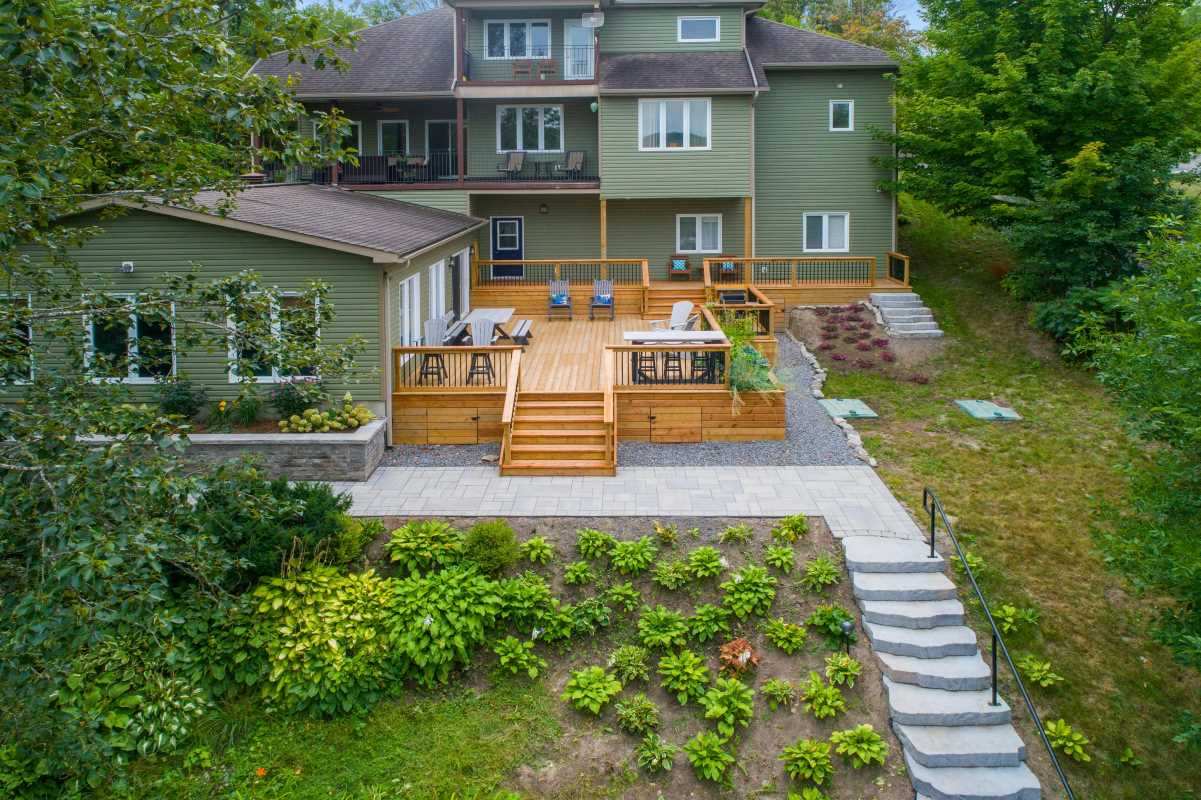
Your home’s entry should be inviting, not an obstacle course. Steps at the front door can be a barrier, so a zero-step entry, achieved by gently sloping a walkway up to the entrance, is ideal. This upgrade looks natural, feels seamless, and removes hazards, welcoming everyone safely inside.
If regrading isn’t an option, adding a well-designed ramp is a great solution, think inviting, not institutional. Use deck boards, stone pavers, or landscaping to help ramps blend in with your home, creating an accessible and attractive path for everyone.
High door thresholds can trip you up or block a wheelchair, so consider replacing them with low-profile options for a safer, smoother entry. This simple tweak seals out the weather without being a hazard.
A covered entry keeps the landing dry, lowers your risk of slipping when unlocking the door in bad weather, and protects your door and smart lock from the elements.
Consider adding a bench or shelf near the door to set down bags or sit while putting on shoes, making entry safer and more convenient.

.jpg)